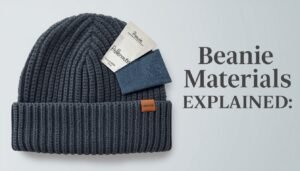
Thermal efficiency in beanie materials is defined by the inverse...
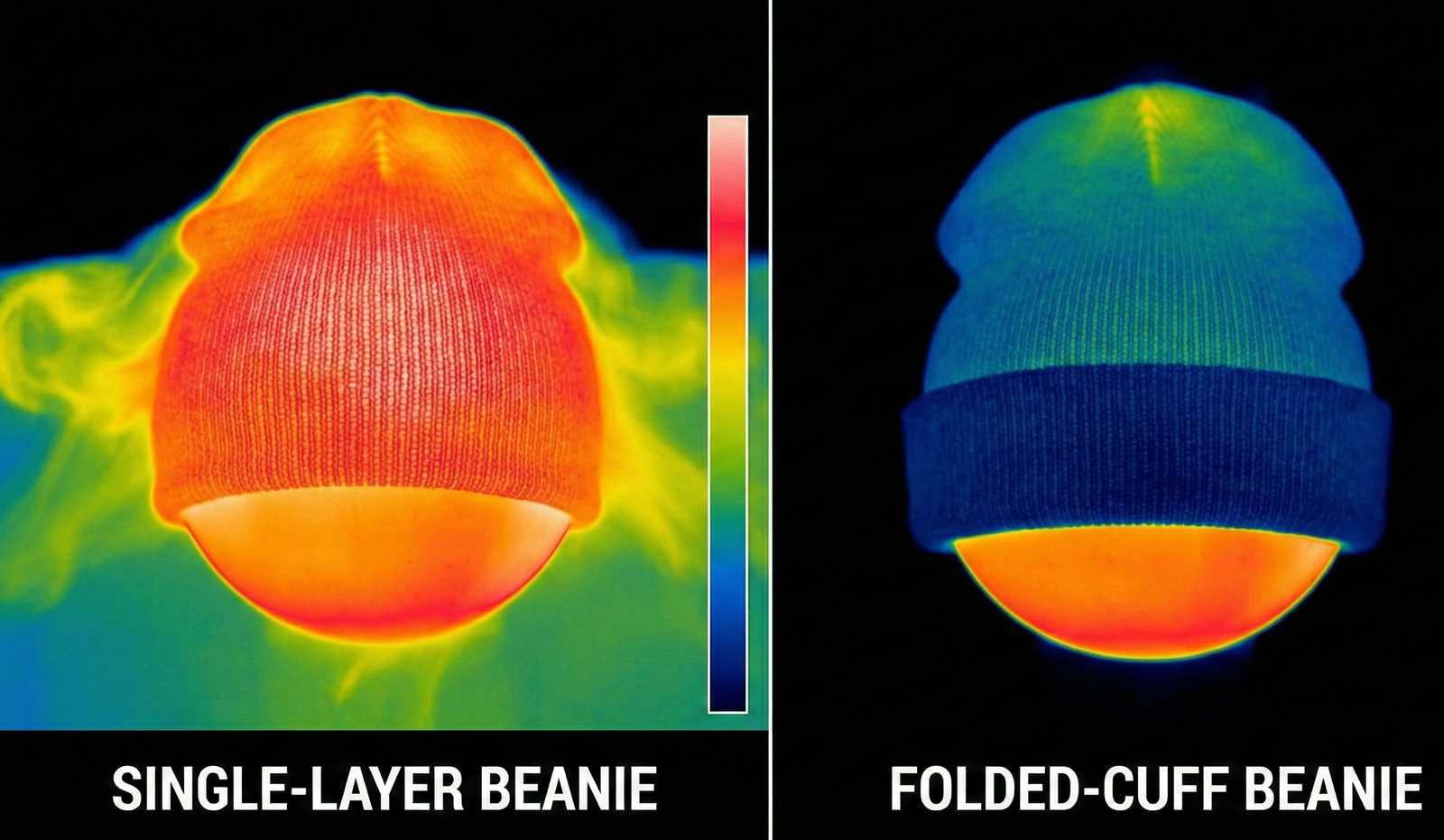
The “folded cuff” defines the “watch cap beanie” by establishing its structural integrity, historical utility for naval acoustic adjustment, and superior thermal regulation through a double-layered barrier. This definition elevates the garment from a simple fashion accessory to a precision-engineered tool derived from US Navy and World War II logistics. While the overall shape is close-fitting to the skull, distinctly different from a slouchy beanie or a decorative pom-pom hat, the functional cuff remains its most critical distinguishing feature. The terms “knit cap,” “watch cap,” and “beanie” serve as interchangeable identifiers for this specific silhouette within the history of functional headwear.
Why Is the Folded Cuff the Primary Definition of the Watch Cap Beanie?
Identify the Watch Cap Beanie’s “Vertical Wall” Silhouette
The “watch cap beanie” is visually defined by a 2.5-inch to 3-inch “folded cuff” that creates a rigid vertical wall, allowing the hat to sit flush against the temporal bone rather than draping like a slouchy beanie. Unlike standard beanies that rely on “drape” and loose knitted fabric, the watch cap is engineered for structural rigidity using heavyweight yarn and high-tension knitting. This 2.5-inch to 3-inch vertical rise serves as the standard distinguishing feature of the style. The resulting silhouette creates a “vertical wall” structure that tightly hugs the skull, sharply distinguishing it from the looser, longer profile of a stocking cap.
Trace the Folded Cuff’s Utility in Naval Watch Cap History
The “folded cuff” originated as a functional requirement for US Navy “Bluejackets” and blue-collar workers to allow for immediate acoustic adjustment without removing the headgear. Sailors and fishermen utilized this design to fold the cuff up above the ear to hear deck commands clearly, or pull it down to cover the ear fully against wind and frostbite during watch duty. While the term likely evolves from the slang word “bean” (referring to the head), the specific design was standardized during World War II to meet these rigorous demands. This design differs significantly from the Jeep cap, which features a brim or visor; the watch cap was designed to be streamlined for tight quarters and preventing snags on machinery.
How Does the Folded Cuff Mechanically Increase Warmth in a Watch Cap Beanie?
Create a Thermal Air Trap Using the Watch Cap’s Double Layers
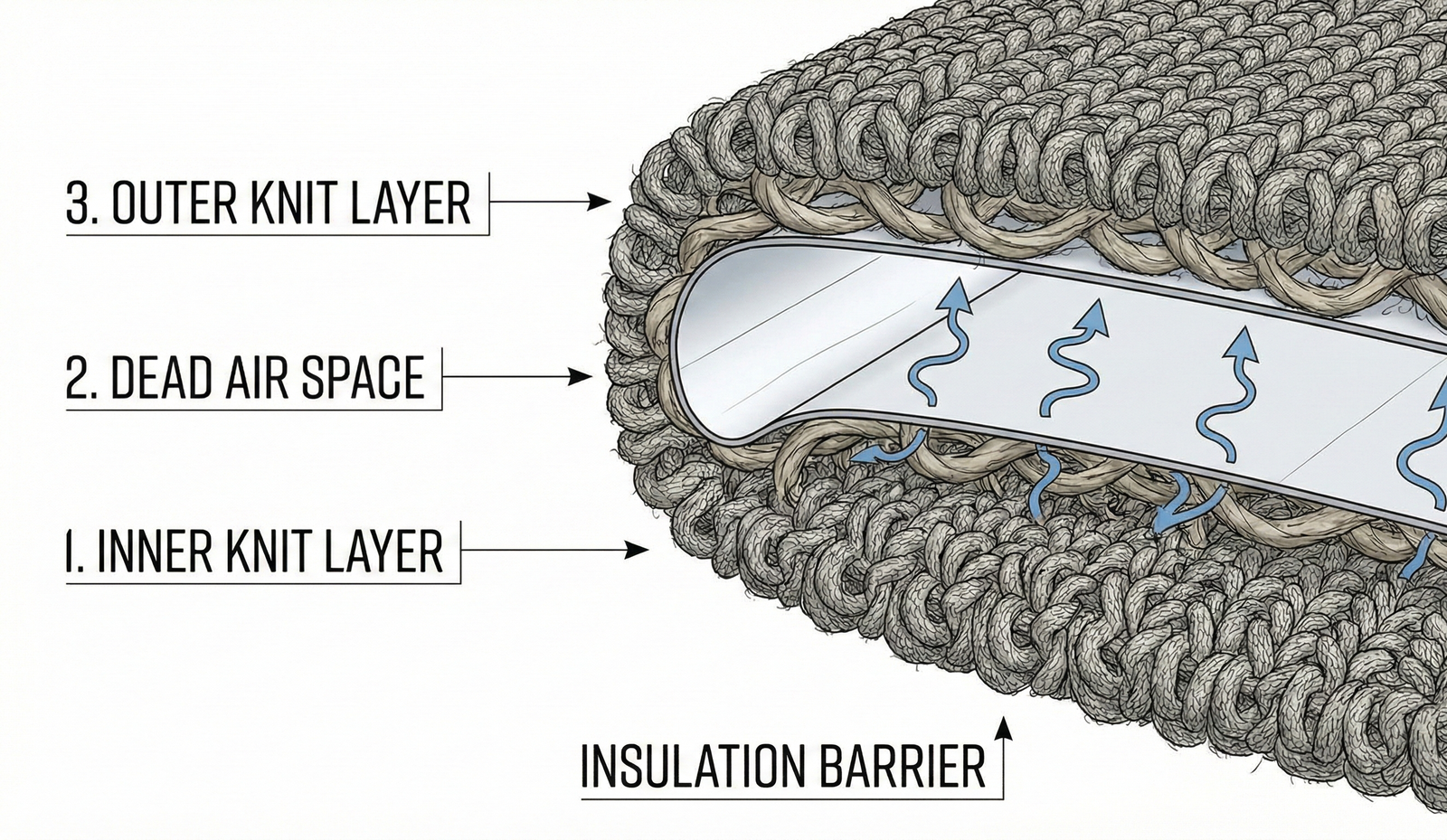
The “folded cuff” increases warmth by introducing a distinct zone of “dead air space” between the two layers of knitted fabric, specifically insulating the temporal arteries and frontal sinus against cold conditions. Because the folded cuff adds an extra layer around the head, many people ask whether a folded cuff increases beanie warmth. It does, by doubling the insulation density at critical heat-loss zones. This double-barrier system specifically targets the temporal arteries and the sensitive cartilage of the ears, regions highly susceptible to convective heat loss.
Compare Material Performance: Merino Wool vs. Acrylic Fiber
While modern versions are often made from acrylic fiber, authentic watch caps utilize Merino wool or varying wool yarns for their superior moisture-wicking properties and temperature regulation. Merino serves as the gold standard for weather resistance and wicking, actively pulling sweat away from the hair and scalp to maintain dryness. Conversely, acrylic fiber is a cost-effective synthetic often found in streetwear or hipster fashion; it provides basic warmth but lacks the breathability and odor resistance of natural wool. Regardless of the fiber used, the ribbed brim construction is essential for maintaining the mechanical tension required to trap heat effectively.
What Distinguishes the Watch Cap Beanie From Slouchy Styles via the Folded Cuff?
Compare Fabric Density in Watch Cap Beanies vs. Slouchy Hats
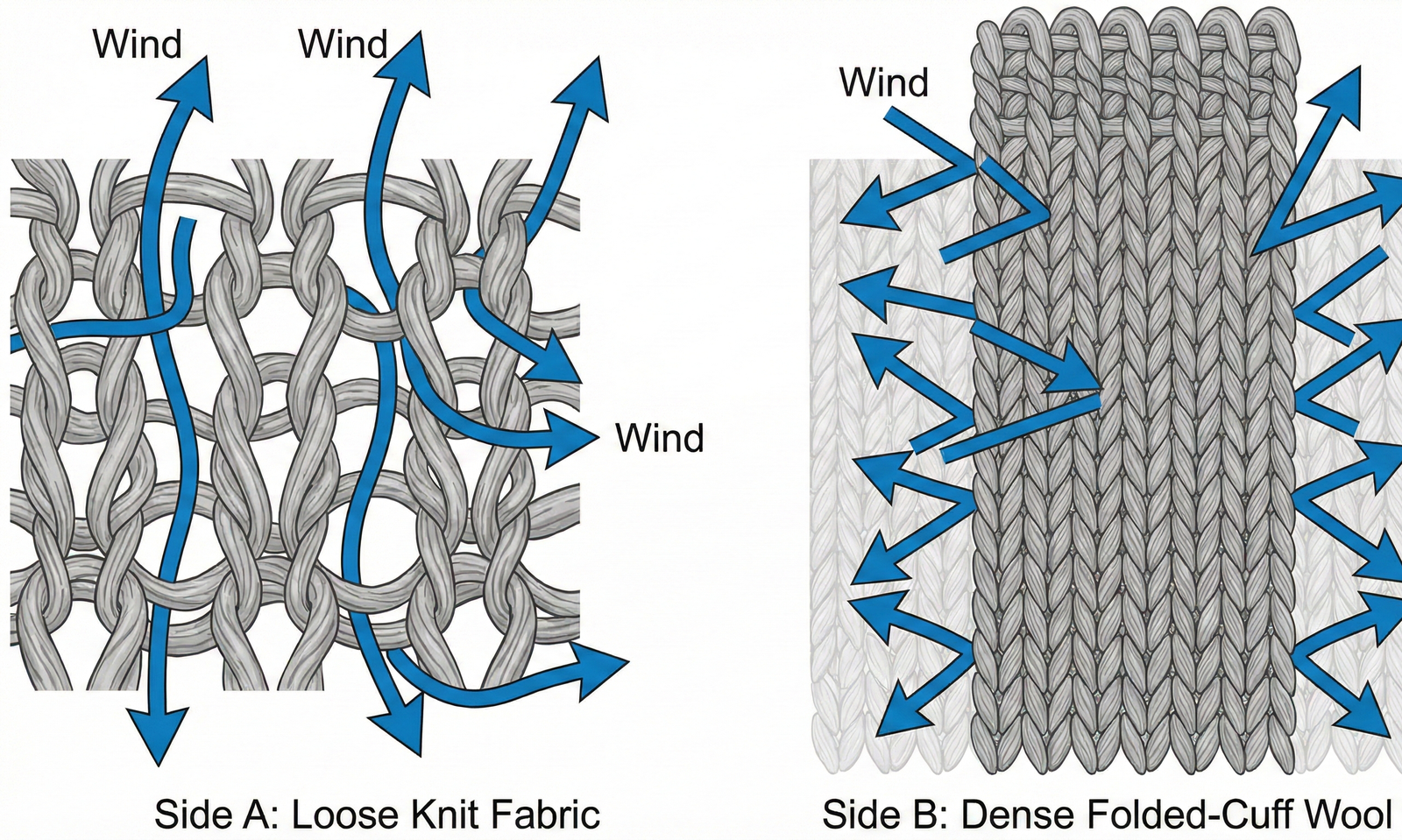
The primary distinction between a “watch cap beanie” and a “slouchy hat” lies in the fabric density and the structural tension provided by the folded brim.
Watch Cap (Cuffed) vs. Slouchy Beanie (Uncuffed) Performance Matrix
| Feature | Watch Cap Beanie | Slouchy Beanie |
| Rim Structure | Double-Layer (High Tension/Rib) | Single-Layer (Low Tension) |
| Synonyms | Toque (Canada), Skull Cap | Stocking Cap |
| Knit Architecture | Ribbed (Recoil memory) | Jersey (Drape) |
| Thermal Rating | High (Targeted ear protection) | Moderate (General coverage) |
Export to Sheets
Inspect the Watch Cap Beanie for “Inverted Seam” Construction
Authentic “watch cap beanies” feature an engineered “Inverted Seam” at the brim, where the seam allowance is reversed for the bottom 3 inches to remain hidden when the cuff is folded. This construction detail prevents the raw edge or bulky join from being visible, a hallmark of quality knitwear engineering. Cheap imitations often lack this feature, resulting in a visible, unsightly seam ridge that disrupts the clean lines of the cuff.
How Can You Style the Watch Cap Beanie Using Different Folded Cuff Heights?
Master the “Fisherman Roll” with a High Folded Cuff
The “Fisherman Roll” (or “Cousteau” style) requires a double fold of the cuff to position the rim above the helix of the ear, reducing crown volume for a skull-hugging profile. This style is preferred in milder climates or for industrial safety visibility, ensuring hearing and sightlines remain unobstructed. It is frequently observed in construction worker environments and has been widely adopted by the hipster subculture as a deliberate style choice.
Adjust the Watch Cap Beanie for the “Deep Watch” Look
The “Deep Watch” adjustment involves unrolling the folded cuff to a single 1-inch depth, allowing the beanie to extend down to the C7 vertebra at the base of the neck. This configuration seals the gap between the collar and hairline, a function essential for temperature regulation in sub-zero wind chills.
How Do You Verify Your Watch Cap Beanie Has a Genuine Folded Cuff?
Execute the Watch Cap Beanie “Snap Test” Checklist
To ensure quality, execute the following “Snap Test” and structural checks to validate the integrity of the “watch cap beanie.”
- Test the Recoil: Pull the folded cuff to 120% of its width; it must snap back instantly to prove high-twist yarn or elastane content.
- Verify the Seam: Flip the brim to ensure an “Inverted Seam” allowance is present to accommodate the fold without bulk.
- Check the Density: Pinch the brim against the crown; the brim must be exactly 2x the thickness of the crown textile.