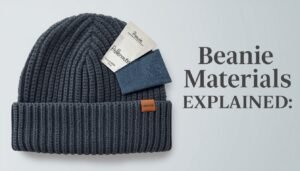
Thermal efficiency in beanie materials is defined by the inverse...
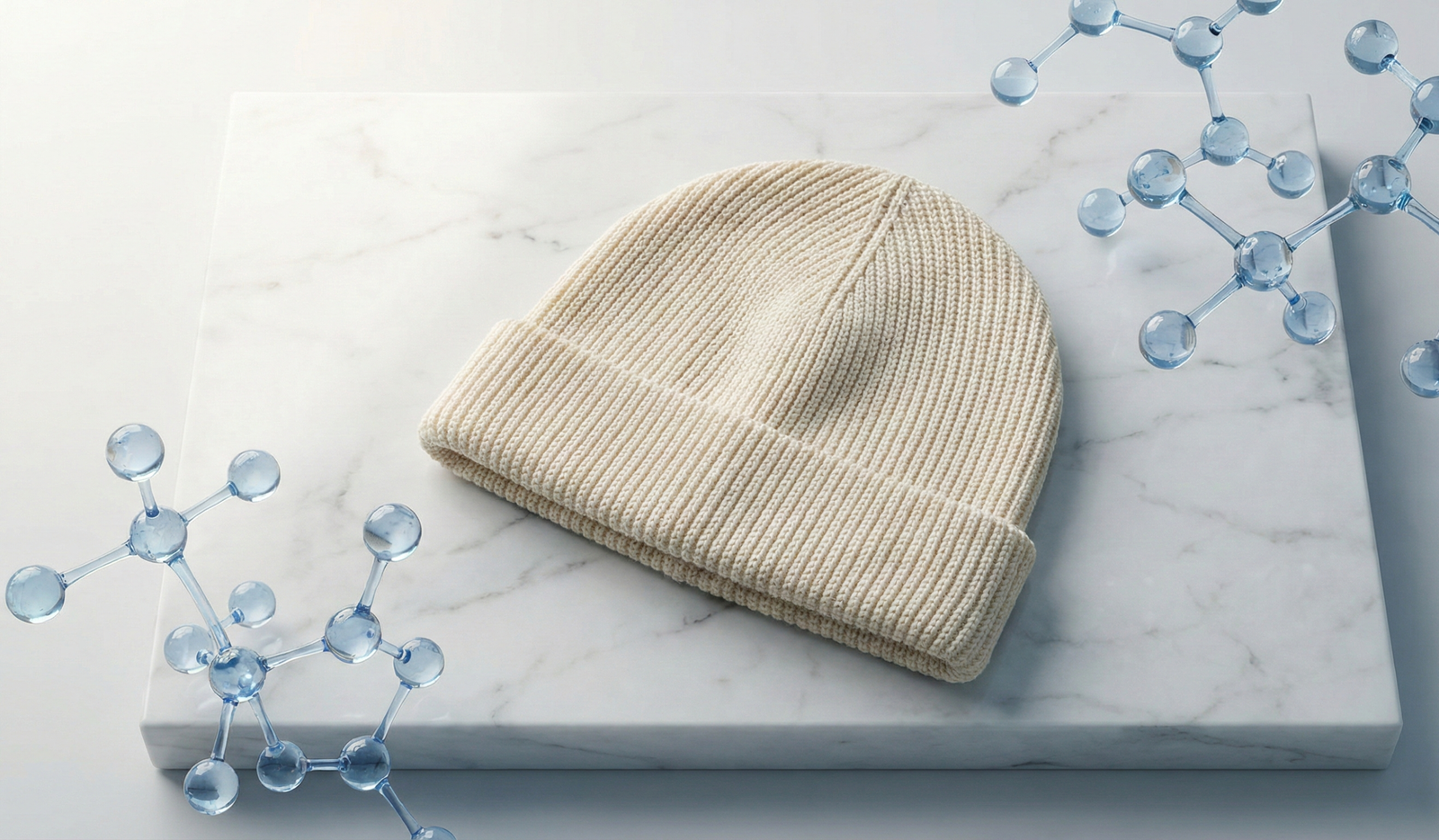
A “Cotton Beanie” is a brimless headgear unit constructed from hydrophilic cellulose fibers derived from the Gossypium plant, engineered for high thermal conductivity and hypoallergenic performance. Unlike keratin-based wool or petroleum-based acrylics, the cotton beanie functions as a thermal regulator rather than an insulator. The structural integrity of the unit relies on the specific crown construction—typically utilizing darted seams to contour the skull without reliance on synthetic elastane. This guide analyzes the biological interaction, physical durability, and thermodynamic properties of cotton headgear.
Why You Should Choose a Cotton Beanie to Eliminate Skin Irritation
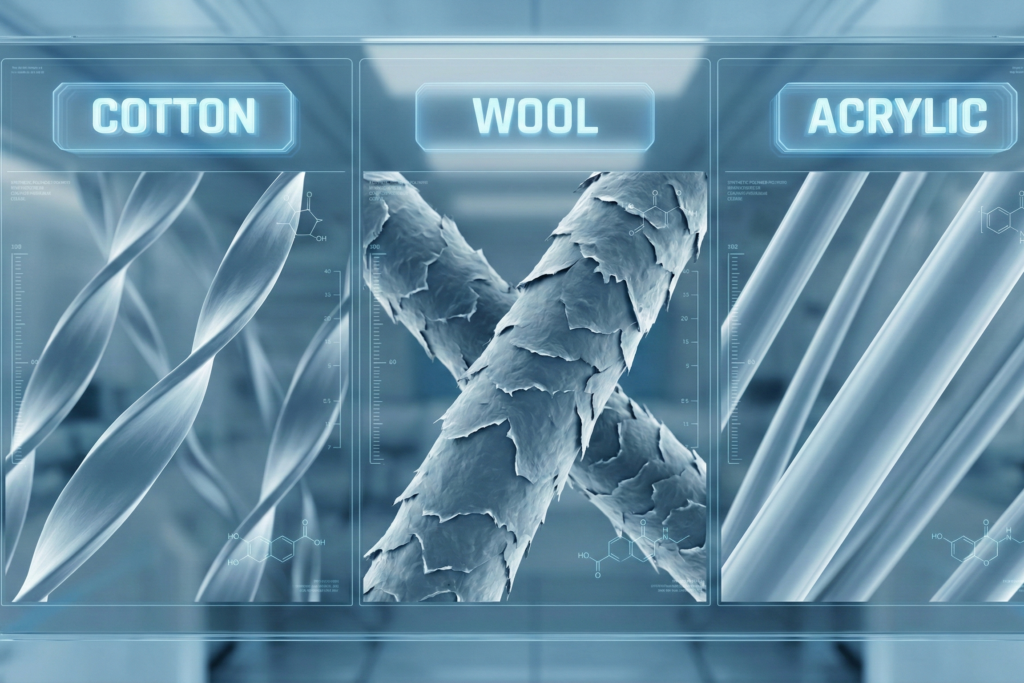
Selection of a cotton beanie eliminates contact dermatitis because the fiber lacks the rigid, scaling surface structure inherent to animal-derived keratin. Users with hypersensitive skin or eczema require this cellulose-based alternative to prevent mechanical abrasion of the stratum corneum.
How Cotton Beanie Fibers Reduce Friction Using Smooth Cellulose Structures
Cotton fibers mitigate epidermal friction through a ribbon-like morphology that glides over skin mechanoreceptors rather than engaging them.
Quantification of the “prickle factor” defines the hypoallergenic threshold. Human skin detects irritation when fiber diameters exceed 30 microns. High-fidelity cotton fibers typically measure between 15–20 microns, maintaining a diameter well below the biological itch threshold. This structural smoothness prevents the triggering of nociceptors (pain receptors) on the scalp.
Why a Cotton Beanie Prevents Bacterial Growth via Moisture Absorption
Bacterial proliferation remains inhibited in cotton textiles due to the rapid sequestration of moisture away from the scalp’s surface.
The mechanism driving this is the hydrophilic nature of the cellulose molecule. Cotton exhibits a Moisture Regain of 8.5%, effectively absorbing perspiration and disrupting the humid microclimate required for bacterial colonies to thrive. In contrast, acrylic fibers (1.5% regain) repel water, trapping sebum and sweat against the skin, which accelerates odor production.
How to Identify High-Quality Materials in a Cotton Beanie
Identification of high-fidelity cotton knitwear requires analysis of the care label for fiber purity and verification of organic certification. The market prevalence of “green-washed” textiles necessitates a rigorous inspection of the material composition.
How to Detect Synthetic Fillers in “Cotton Rich” Beanie Labels
Detection of synthetic fillers centers on the exclusion of “Cotton Rich” designations, which often mask blends containing up to 40% polyester.
Polyester inclusions compromise the structural surface, leading to pilling (fiber balling) through friction. A quality audit requires the label to state “100% Cotton” or “95% Cotton / 5% Elastane” for specific retention needs. A definitive destructive test confirms composition: cotton reduces to fine ash upon combustion, whereas synthetic fillers melt into hardened plastic residue.
How to Verify Organic Standards for Your Cotton Beanie Purchase
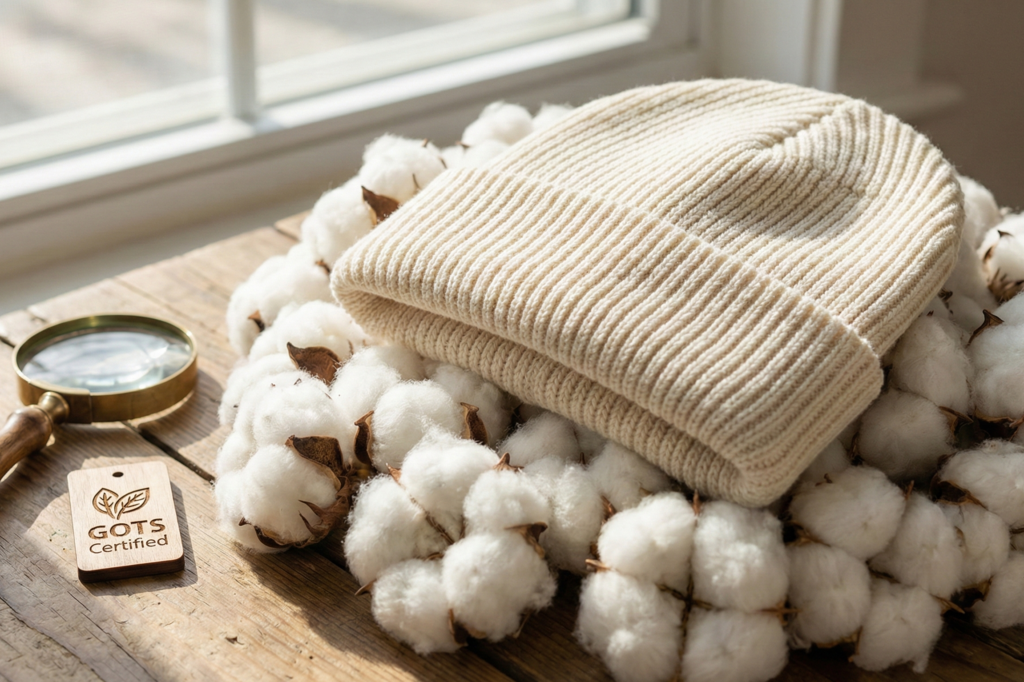
Verification of organic purity necessitates the presence of Global Organic Textile Standard (GOTS) certification to ensure the absence of toxic heavy metals.
Conventional cotton processing frequently utilizes formaldehyde and heavy metal mordants. GOTS standards restrict toxic metal content to <1%. Furthermore, organic processing preserves the natural plant waxes, resulting in a tactile softness superior to the stripped, harsh texture of chemically treated commercial cotton.
How to Decide Between a Cotton Beanie, Wool, and Acrylic
Differentiation between cotton, wool, and acrylic relies on specific thermal conductivity coefficients and the user’s requirement for abrasion resistance. This decision matrix prioritizes physics over aesthetics.
Why You Should Select a Cotton Beanie Over Wool for Thermal Conductivity
Cotton beanies facilitate cooling via high thermal conductivity, effectively transferring metabolic heat away from the cranium.
Thermoregulation in cotton functions through heat dissipation. Conversely, wool possesses low thermal conductivity and high loft, trapping air to retain heat. Therefore, cotton serves as the requisite material for environments >10°C (50°F) or during high-output exertion where heat retention poses a risk of hyperthermia.
Why a Cotton Beanie Offers Superior Durability Compared to Acrylic
Structural integrity persists in cotton textiles due to an increase in tensile strength upon saturation, whereas acrylic polymers degrade.
Acrylic fibers act as smooth cylinders that disengage from the yarn twist under friction, causing immediate pilling. Cotton exhibits a unique chemical advantage: hydrogen bonds within the cellulose network reorganize in water, increasing fiber strength by 20%. This property renders cotton superior for frequent washing cycles, whereas acrylic degrades in high-temperature environments.
Material Performance Matrix
| Metric | Cotton Beanie | Acrylic Beanie | Wool Beanie |
| Moisture Regain | 8.5% (Hydrophilic) | 1.5% (Hydrophobic) | 14% (Hygroscopic) |
| Thermal Function | High Conductivity (Cooling) | Insulative (Heat Trap) | Insulative (Heat Retention) |
| Prickle Factor | < 20 microns (Smooth) | Plastic/Occlusive | > 30 microns (Abrasive) |
| Wet Strength | Increases (+20%) | Degrades/Pills | Decreases (Weak) |
How to Style Your Cotton Beanie for Specific Temperature Zones
Optimization of thermal performance requires correlation between ambient temperature and knit gauge. Gauge refers to the density of stitches per inch, acting as the primary variable for airflow control.
How to Match Cotton Beanie Knit Gauge to Transitional Weather
Transitional weather demands specific gauge selection to balance wind resistance with heat release.
- Fine Knit (12-Gauge): Operates optimally in 15°C–20°C. The high-density stitch count provides a sleek profile while permitting moderate airflow.
- Chunky Knit (7-Gauge): Operates optimally in 10°C–15°C. The increased yarn volume creates a physical barrier against wind chill without compromising the breathability of the fiber.
How to Utilize a Cotton Beanie for High-Output Aerobic Activity
High-output aerobic activity necessitates the use of low-density cotton knits to prevent the “runner’s headache” associated with heat entrapment.
Excessive heat retention in fleece or acrylic disrupts the body’s cooling mechanism. A cotton beanie with lower textile density permits the escape of vapor and metabolic heat, maintaining homeostasis. This prevents the rapid cooling effect (chills) that occurs when sweat accumulates inside a non-breathable synthetic cap.
How to Wash a Cotton Beanie to Prevent Fiber Shrinkage
Preservation of fiber dimensions demands cold water protocols to maintain the hydrogen bond network within the cellulose.
How to Execute a Cold Wash to Protect Cotton Beanie Hydrogen Bonds
Cold wash cycles protect the hydrogen bond network, as elevated temperatures induce relaxation shrinkage in cellulose chains.
Water temperature must remain <30°C to prevent irreversible contraction of the fiber. Chemical degradation also occurs with aggressive detergents; therefore, a pH-neutral detergent on a “Delicate” cycle constitutes the only validated cleaning method.
How to Dry a Cotton Beanie to Avoid Elasticity Failure
Horizontal drying prevents elasticity failure by neutralizing the gravitational force exerted on water-saturated fibers.
A saturated cotton beanie retains approximately 27x its weight in water. Vertical suspension subjects the loops of the knit to excessive gravitational strain, causing permanent elongation. Laying the unit flat ensures the crown construction and darted seams retain their original geometry.
Final Checklist: How to Validate If a Cotton Beanie Fits Your Lifestyle
Validation of a “Cotton Beanie” purchase requires a binary assessment of environmental and physiological variables.
- [ ] Sensitivity Protocol: Select Cotton if skin sensitivity requires <30 micron fiber diameter to prevent itching.
- [ ] Thermal Window: Deploy Cotton if ambient temperature resides between 10°C–21°C.
- [ ] Material Ethics: Prioritize Cotton if the requirement is 100% biodegradable, plastic-free material.
- [ ] Hypothermic Risk: Reject Cotton and select Wool if the environment is <0°C.